From Foundations to Freedom: Setting Up a Trust or Private Fund in Sint Maarten
A sense of place carries more than just soil and sea — it carries structure, lineage, and design intent. In Sint Maarten, many discerning owners are pairing their architectural ambition with equal sophistication in how they hold and protect assets: through trusts and the Private Fund Foundation. The allure is clear: an entity that holds your villa, your works, or your portfolio — quiet, structured, in service to vision. But beneath the elegance lies a web of complexity worth understanding.
The Quiet Sculpture: What Is a PFF?
The PFF — Stichting Particulier Fonds, or Private Fund Foundation — serves as a legal vessel with no equity owners, designed to hold assets, distribute proceeds, and endure beyond lifetimes. In Sint Maarten, it is especially suited for passive holdings: real estate, equities, collectibles. The key caveat is simple but significant — if it undertakes active business operations, it may lose its favorable tax status.
The structure is born by notarial deed, specifying purpose, rules, and beneficiaries. From there it lives as its own legal personality, whether or not it reveals its guardianship publicly. In principle, for a PFF not engaged in "enterprise," the body itself is exempt from local profit tax, and distributions to non-resident beneficiaries are not taxed in Sint Maarten. But if you live in Sint Maarten or draw distributions into your local identity, personal income tax still applies.
Meanwhile, trusts — allowed since 2014 — act differently. A trustee holds legal title in favor of beneficiaries, and while the trust may escape Sint Maarten profit tax if passive, distributions to resident beneficiaries are taxed personally. Non-residents similarly benefit from non-taxation at source, subject to their home jurisdictions.
"No Income Tax" — The Elegant Half-Truth
If one hears "set it up, pay only an annual fee, no income tax ever," they've encountered a seductive simplification. The reality is more textured:
The PFF or trust can be tax-neutral at the entity level, if it keeps its operations passive. But beneficiaries pay where they live. If you are a Sint Maarten resident, you owe worldwide income tax, including on PFF distributions. If you're non-resident, your home country's rules — United States, Canada, European Union — may impose taxation on foreign distributions.
If your PFF conducts active business — managing a development, operating rentals, or trading real estate frequently — it may be treated as commercial, subject to profit tax that can reach 30-34.5%. Annual administration fees cover trustee services, registered office, audits, and account filing. These are real costs, not fiction.
For the Foreign Buyer: A Study in Framing
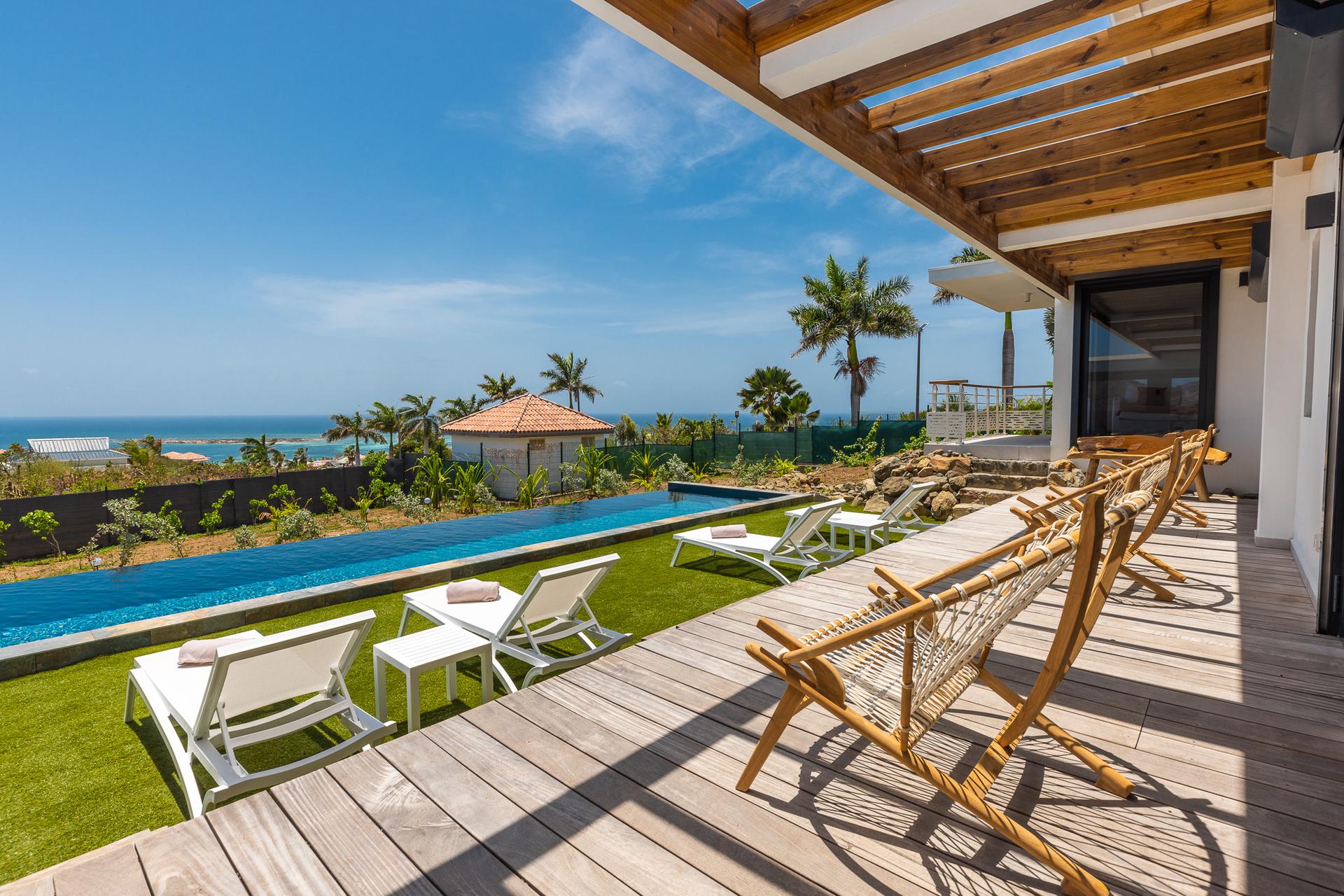
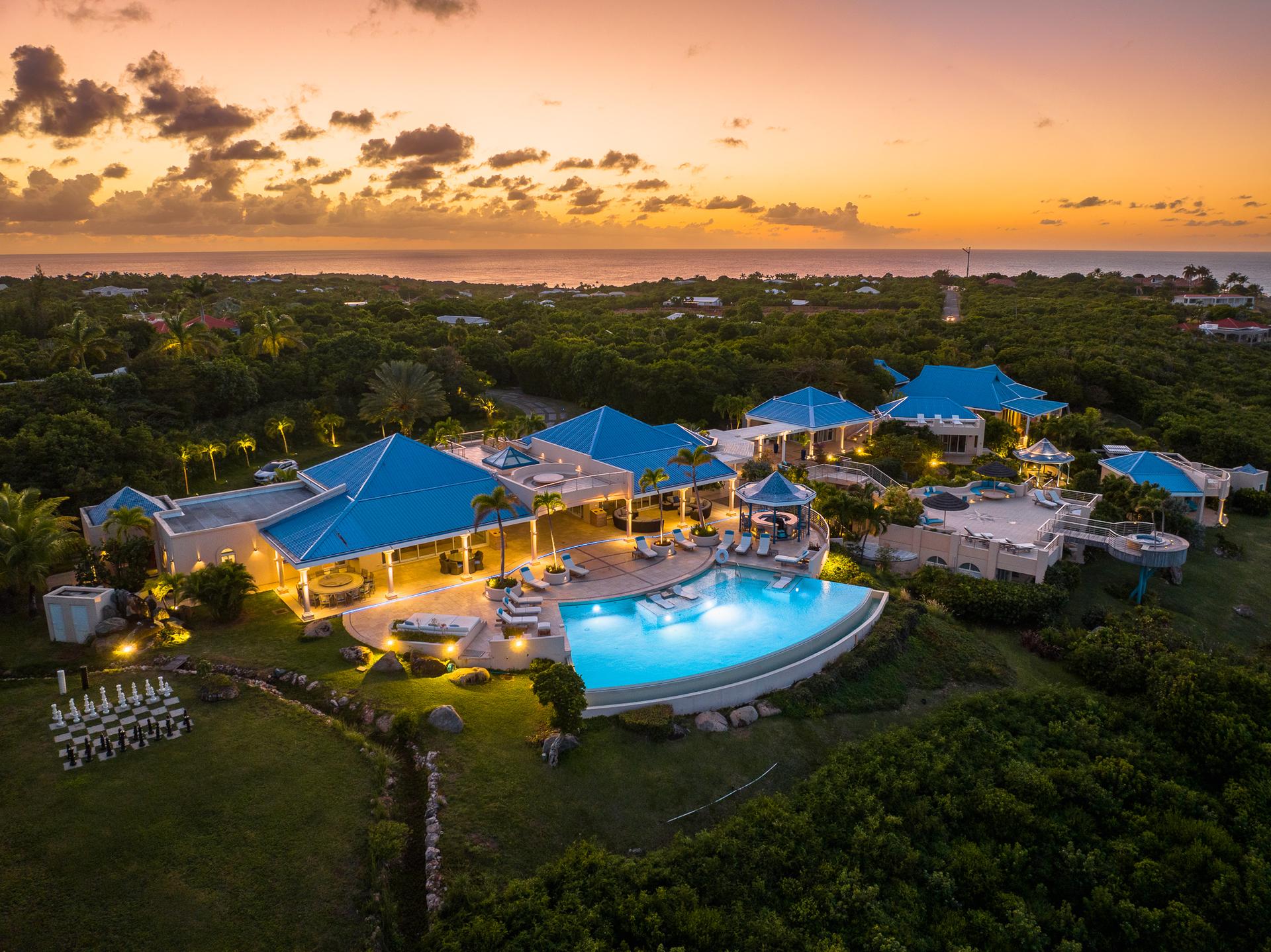
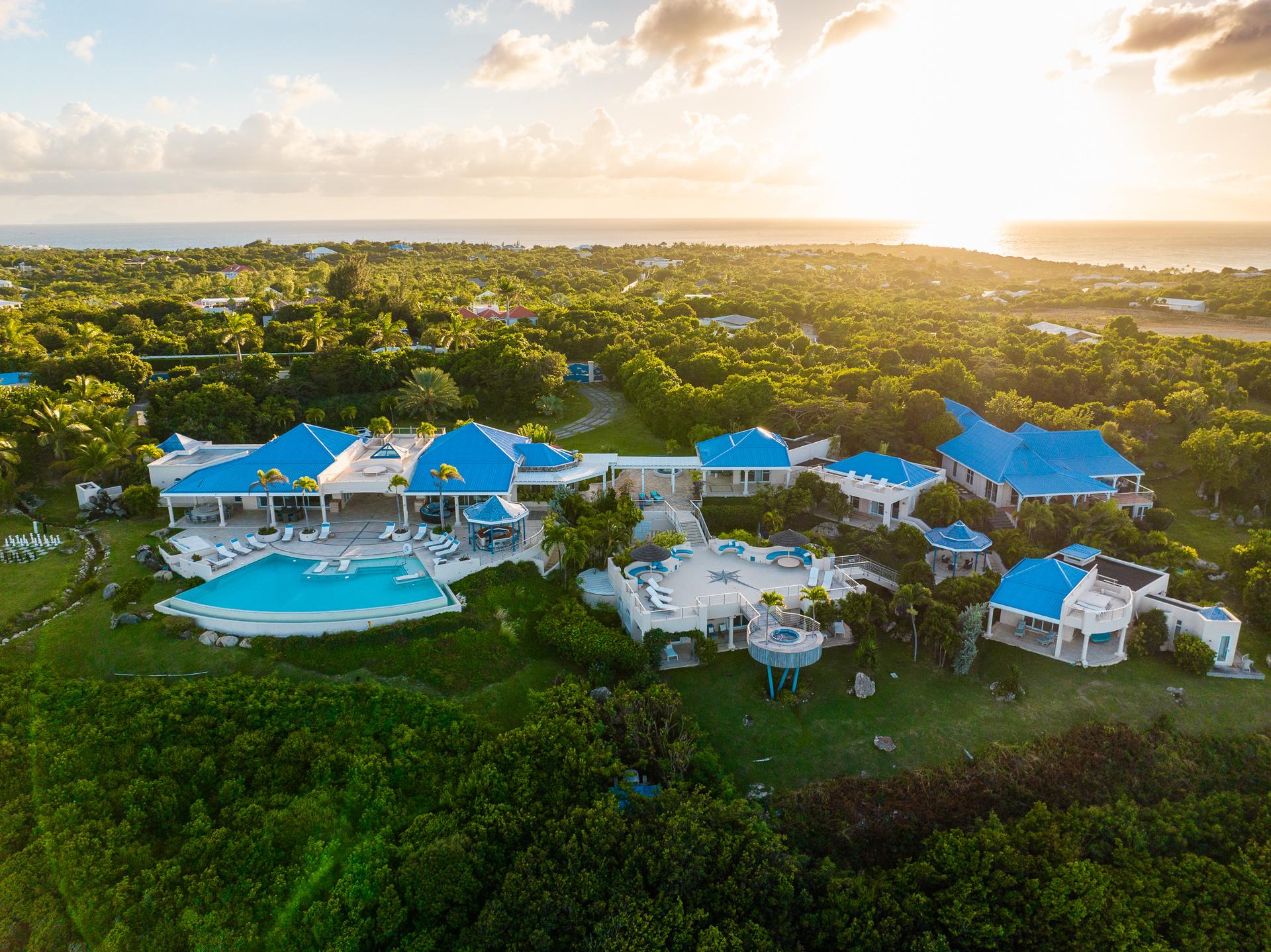
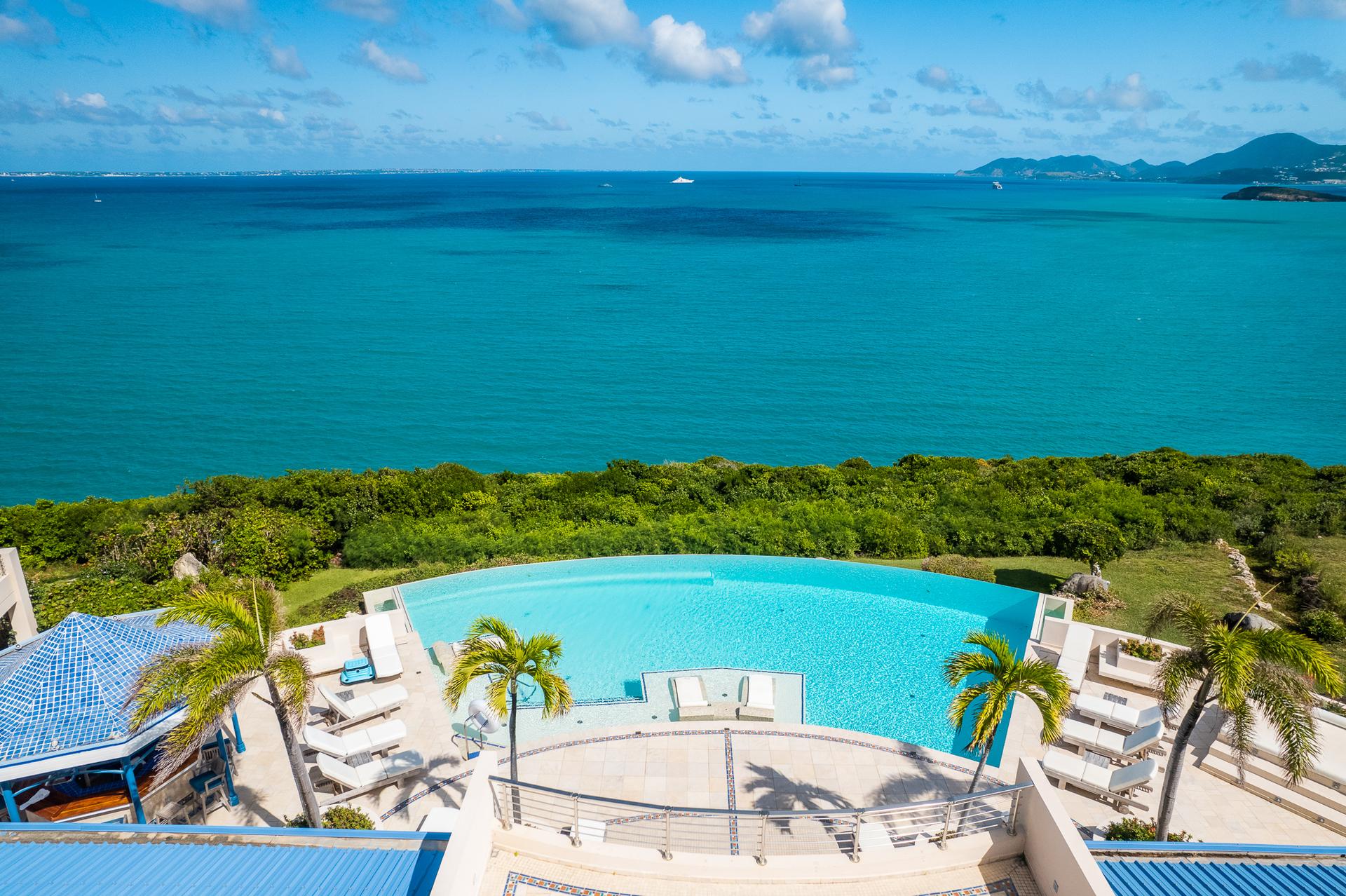
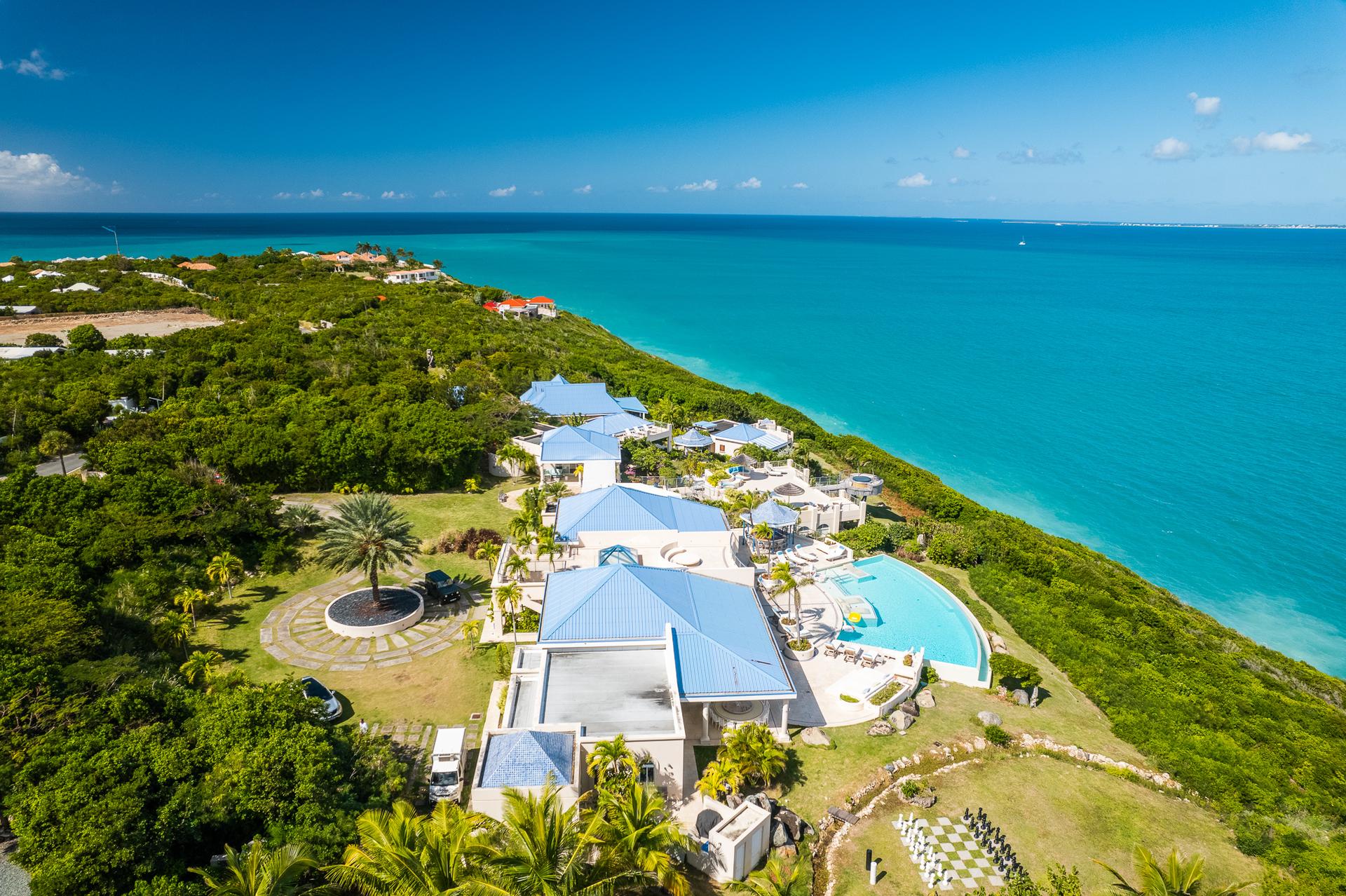
Imagine a buyer from Europe or North America acquiring a hilltop villa in Sint Maarten. They establish a PFF:
The PFF buys and holds the villa, earning rental income passively. Because it is passive, the PFF likely remains exempt from local profit taxation. When the PFF distributes net returns to the founder abroad, no local withholding tax applies. But the founder's country may tax that income.
If the PFF ever trades often or runs as a business — flipping homes, developing land — it risks losing its passive status and triggers full taxation. If the owner moves to Sint Maarten or becomes resident, distributions become taxable locally under income tax.
This is the architecture behind the appearance of "no tax" — structural discipline, not loopholes.
The Real Costs Behind the Veil
Even a minimalist structure has weight. Formation requires notary fees, governance documents, and registration. Administration demands a trustee or board, registered office, accounting, and often auditing. Compliance has grown more demanding: beneficial ownership registers are now required, and tax authorities may audit suspected business use.
Indirect taxes deserve attention too. PFFs may not be exempt from turnover taxes or service taxes related to their operations. Succession or gifts carry their own implications — distributions or transfers into or out of the structure may incur transfer tax, or 25% succession tax inside Sint Maarten for resident beneficiaries.
The numbers vary by complexity and service provider, but annual costs typically range from several thousand to tens of thousands of dollars, depending on the scale of assets and operations. For larger estates with international beneficiaries, the investment in proper structuring often proves worthwhile — but only when the underlying assets justify the overhead.
Design-First Mindset: Structure as Legacy
What distinguishes a well-conceived asset structure from mere shelter is intention. The ideal use case is holding, preserving, and passing on — a villa, a collection, a portfolio — without chaos around succession, exposure, or governance. In that sense, the foundation is both legal and aesthetic, a framework upon which value multiplies across generations.
But where others see "tax-free," true design sees through the perimeter, to where obligations remain: at the boundary of country, person, distribution. The most successful structures are those built not to avoid, but to organize — to create clarity where complexity would otherwise erode value.
When Structure Serves Vision
For those acquiring significant property in Sint Maarten — whether a contemporary villa in Indigo Bay or a compound in Terres Basses — the question is not whether to use a foundation or trust, but whether the asset warrants the architecture. A single vacation home used occasionally may not justify the complexity. A multi-generational estate, a rental portfolio, or a residence paired with art and collectibles often does.
The best advisors approach the conversation not with templates, but with questions: What are you building? For whom? Across how many borders? The answers shape the structure, not the other way around.
The Island's Quiet Promise
Sint Maarten has cultivated an environment where sophisticated wealth structuring feels native, not foreign. Notaries understand cross-border families. Trustees navigate Dutch, French, and Caribbean legal traditions with ease. Banks and service providers operate with discretion and competence.
But the island offers no magic — only tools. The Private Fund Foundation and trust structures available here exist in service to vision, not as substitutes for it. Used well, they become invisible scaffolding, allowing families to focus on what matters: the home, the legacy, the life between two shores.
Between structure and freedom lies not contradiction, but harmony. And in Sint Maarten, that balance is built into the very ground.
Unlock The Caribbean
The Indigo Guide delivers insider perspectives on exclusive real estate, yachts, and premier vacation retreats. Reserved for our select community.
- Be among the first to explore new homes, charter opportunities, and hidden destinations.
- Dine where chefs escape, stay where travelers return, and experience the islands through the eyes of those who call them home.
- Join a select circle of explorers, investors, and creators shaping the next chapter of Caribbean living.